Our Operation
Operations
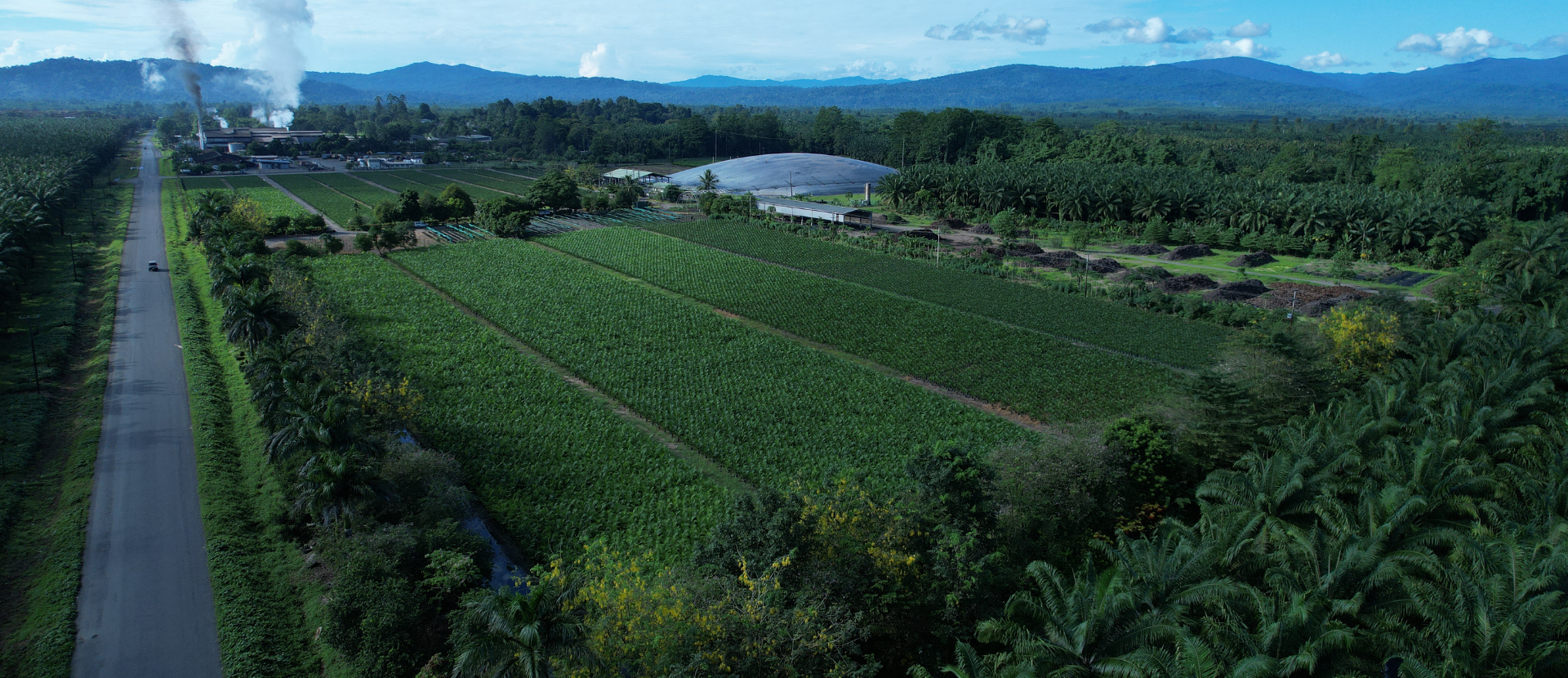
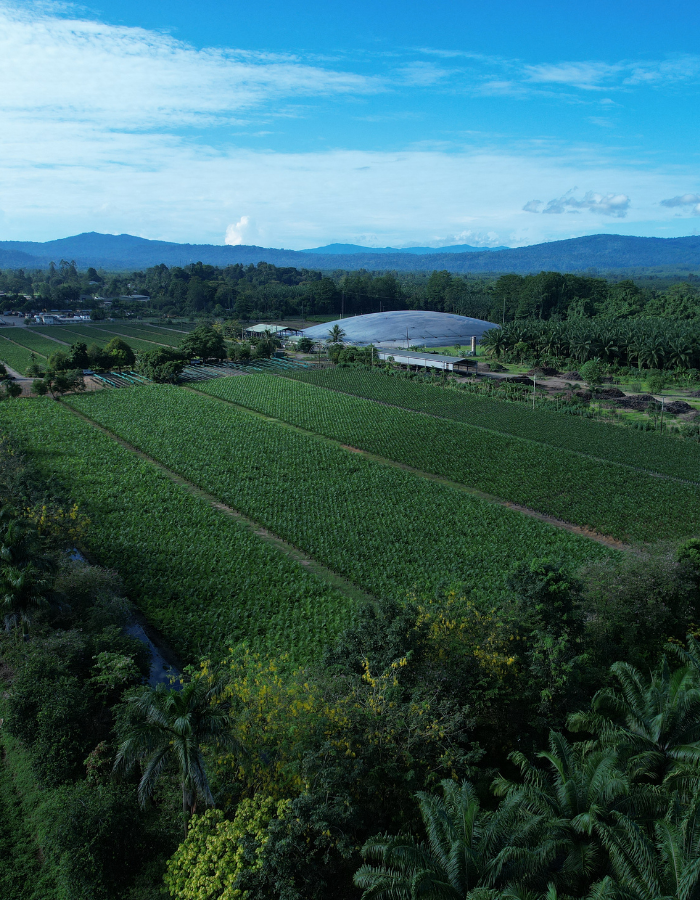
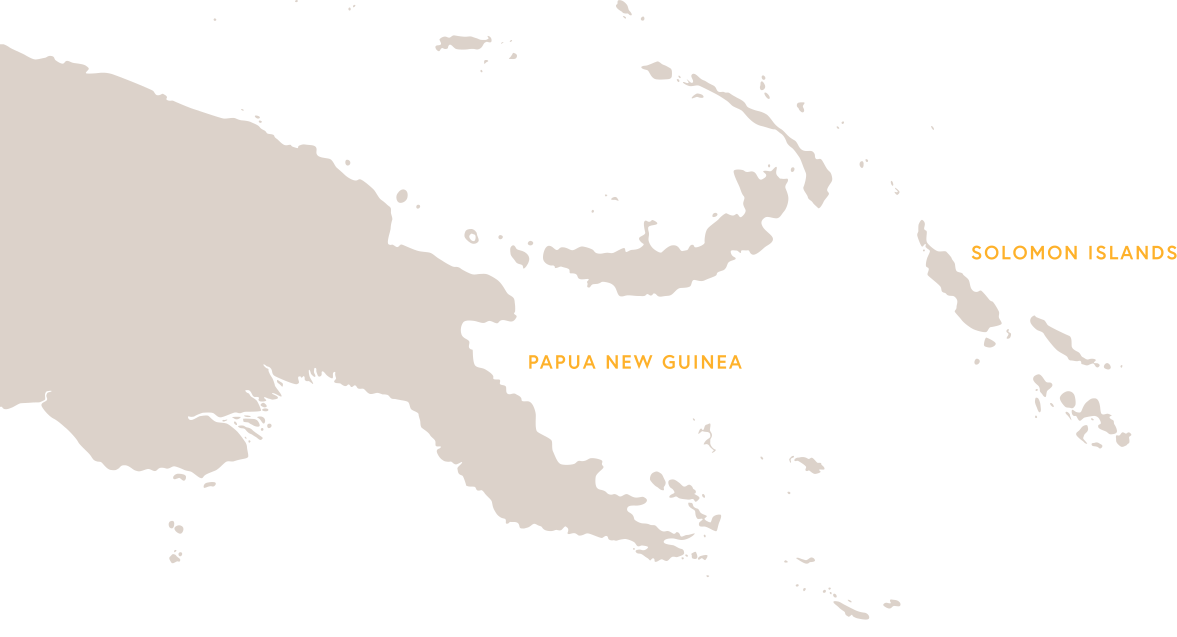
New Britain Palm Oil Limited (NBPOL) operates a diversified agribusiness platform across Papua New Guinea and the Solomon Islands, with a primary focus on upstream palm oil production, supported by integrated sugar, beef and seed operations.
Headquartered in West New Britain Province, NBPOL operates across seven operating locations — six in Papua New Guinea and one in the Solomon Islands. Our asset base spans approximately 146,000 hectares of land, of which just over 90,000 hectares are planted with oil palm.
NBPOL manages 50 oil palm estates, 13 palm oil mills and 7 kernel crushing plants, forming a fully integrated upstream palm oil operation. Downstream refining activities are undertaken by our parent company’s downstream business, SD Guthrie International, allowing NBPOL to remain focused on plantation and mill operations.
In addition to palm oil:
- Sugar operations cover more than 7,000 hectares of cane plantations, supported by milling operations
- Beef operations span over 9,500 hectares of cattle pasture, supplying local markets through two abattoirs
- Seeds and R&D activities are anchored by the Dami Research Station, a globally recognised centre for oil palm seed production.
NBPOL at a Glance
West New Britain (WNB), Papua New Guinea

Palm Oil
-
20 estates, >38,000 ha
- 5 mills, annual capacities of 310 tonnes/hr
- 1 KCP, annual capacity of 135 tonnes/day
-
>7,000 ha conserved
-
1 bulking terminal
-
RSPO certified
-
RA SAS certified
-
2 Biogas Plants
-
HACCP certified mills

Beef
-
2 pastures, >390 ha
- 1 abattoir

Seeds
-
>3 million Dami seeds produced annually
RAMU AGRI INDUSTRIES LIMITED (RAI), PAPUA NEW GUINEA
Palm Oil
-
6 estates, >18,000 haa
-
1 mill, annual capacity of 60
tonnes/hr -
1 KCP, annual capacity of 120
tonnes/day -
>320 smallholder blocks
-
>4,500 ha conserved
-
RSPO certified
-
HACCP certified mills

Sugar
-
2 estates, >5,600 ha
- 1 sugar outgrowers and factory
Beef
-
3 pastures, >9,000 ha
- 1 abattoir
POLIAMBA OILS LIMITED (POL), PAPUA NEW GUINEA
Palm Oil
-
5 estates, >5,400 ha
-
1 mill, annual capacity of 30
tonnes/hr
- 1 KCP, annual capacity of 45 tonnes/day
- >1,780 smallholder blocks
- >1,100 ha conserved
- RSPO certified
- HACCP certified mills
HIGATURU OIL PALM (HOP), Papua New Guinea
Palm Oil
-
6 estates, >10,500 ha
- 3 mills, annual capacities of 140 tonnes/hr
- 1 KCP, annual capacity of 135 tonnes/day
-
>5,810 smallholder blocks
- >2,500 ha conserved
- RSPO certified
-
1 Biogas Plant
- HACCP certified mills
MILNE BAY ESTATES (MBE), Papua New Guinea
Palm Oil
-
7 estates, >10,700 ha
-
1 mill, annual capacity of 80
tonnes/hr - 1 KCP, annual capacity of 135 tonnes/day
-
>710 smallholder blocks
-
>2,400 ha conserved
-
RSPO certified
-
HACCP certified mills
PALM OIL LIMITED (GPPOL),
SOLOMON ISLANDS
GUADALCANAL PLAINS PALM OIL LIMITED (GPPOL), SOLOMON ISLANDS
Palm Oil
-
3 estates, >6,700 ha
-
1 mill, annual capacity of 45
tonnes/hr - 1 KCP, annual capacity of 60 tonnes/day
-
1 effluent tertiary polishing plant
- >230 smallholder blocks
- >1,000ha conserved
-
RSPO certified
-
HACCP certified mills
MARKHAM FARM COMPANY LIMITED (MFCL), PAPUA NEW GUINEA
Palm Oil
-
3 estates, > 6, 110 ha
-
1 mill, annual capacity of 40
tonnes/hr -
1 KCP, annual capacity of 60
tonnes/day - 1050 ha conserved
-
RSPO certified
-
HACCP certified mills
Note: NBPOL’s operations are organised across key operating sites, each integrating estates, mills, smallholder engagement and conservation areas. All palm oil operations are RSPO‑certified, with food safety standards applied across processing facilities.
Across all operating locations, NBPOL integrates sustainability into day‑to‑day operations through:
- RSPO‑certified production
- Conservation of high‑value ecosystems
- Inclusive smallholder participation
- Food safety and quality standards at mills
- Continuous improvement in environmental management
Clarification
NBPOL has no commercial or corporate affiliation with ENBPOL. These are separate and unrelated entities.